
Jackson's Gardening & Landscaping

Spring & autumn tidy-ups

One-Off Garden Tidy-Up in Bournemouth, Poole & Christchurch

A one off garden tidy up Bournemouth service is designed to restore order and health to gardens that have become overgrown, neglected through illness or busy periods, or simply need a comprehensive refresh before a new season begins. Whether you've inherited an untamed plot, returned from an extended absence, or let maintenance slip during the darker months, a professional tidy-up addresses every visible and structural issue—from overgrown borders and lawn edges to accumulated leaf litter, dead wood, and tangled climbers.

Fully insured Bournemouth · Poole · Christchurch Free site visits
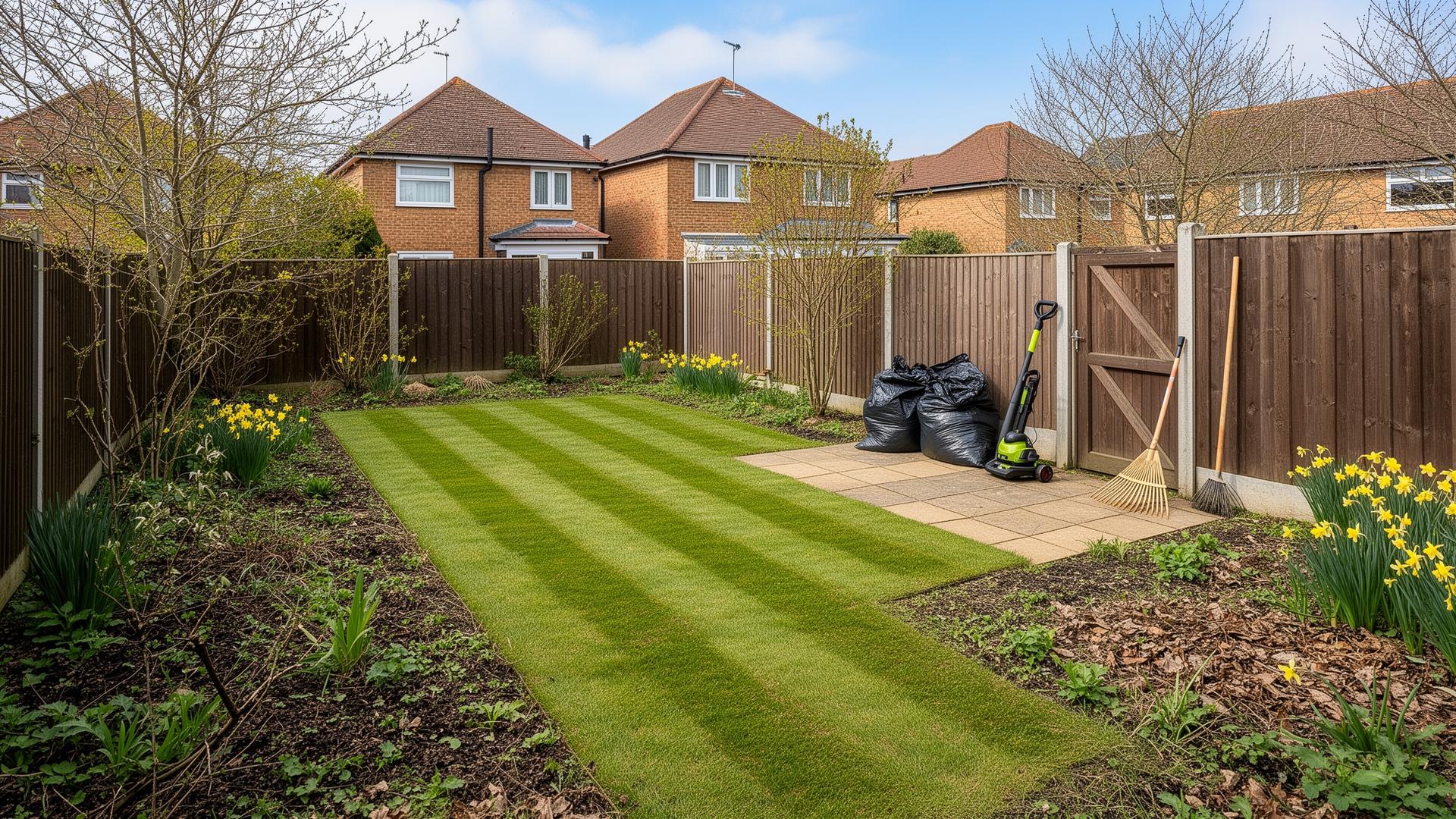
Tidied seasonal garden after a one-off spring clean in Poole
Fully insured
Dorset-based
Verified reviews
Qualified team
Waste carrier registered

What we do

Scope of work

Every job is quoted clearly upfront, and delivered to the same standard whether it’s a small rework or a complete rebuild.

  • Initial walkthrough and hazard check with the homeowner
  • Clearance of weeds, debris, dead plants and accumulated leaf litter
  • Pruning of overgrown shrubs, hedges and perennials to shape and health
  • Cutting back climbers from gutters, fences and building facades
  • Edging of lawn borders and path margins for definition
  • Removal of invasive plants and self-seeded saplings
  • Raking and levelling of bare soil or mulched areas
  • Collection, loading and legal disposal of all green waste
  • Light weeding of beds and borders
  • Final inspection and advice on next maintenance steps

How it works

Our process

01

Site Assessment & Planning

We begin with a thorough walk-around to identify priority areas, structural hazards such as dead branches or unstable trellis, and any plants requiring special care or preservation. Using our digital checklist, we note access points, proximity to boundaries, and any protected species or conservation area constraints common in coastal Dorset. This initial assessment typically takes 15–20 minutes and allows us to sequence the work logically, starting with tall or dangerous growth and working downwards and outwards to avoid trampling cleared areas.

02

High-Level Clearance & Pruning

We tackle overhead growth first—cutting back overgrown climbers with Felco secateurs and telescopic loppers, removing dead or crossing branches with sharp bypass pruners, and using pole saws for higher limbs up to 4.5 metres. All cuts follow the branch collar to promote proper healing and reduce disease entry points. Climbing roses, wisteria, and clematis are pruned according to their flowering group and the season, while ivy is carefully pulled away from masonry and guttering without damaging render or pointing. Cut material is immediately stacked in our wheeled green waste cage to keep pathways clear.

03

Ground-Level Clearance & Weeding

With overhead hazards removed, we work through beds, borders, and paved areas using hand forks, hoes, and our Stihl petrol brush cutter for dense nettle or bramble patches. Perennial weeds like bindweed, ground elder, and couch grass are hand-pulled or forked out with as much root as possible; annual weeds are hoed off at soil level. We remove self-seeded saplings—especially sycamore, ash, and buddleia—before they establish woody stems. Accumulated leaf litter is raked from under shrubs and along fences, preventing slug harbourage and fungal spore build-up. Debris is continually removed to our collection point to maintain safe footing.

04

Edging & Definition

Using a sharp half-moon edging iron and long-handled shears, we redefine lawn edges, path margins, and borders to restore crisp lines and prevent grass creep into beds. Overgrown edges are cut back by 5–8 cm where necessary, and the resulting turf strips are lifted and added to green waste. For gravel or mulched areas, we use a rake and hand brush to pull material back from hard surfaces, preventing staining and trip hazards. This step transforms the visual impact of the garden, creating the impression of care and structure even before any planting begins.

05

Final Grooming & Surface Clearing

We complete the tidy-up with a thorough sweep of all hard surfaces using stiff yard brooms, removing soil, leaf fragments, and cut stems from patios, paths, and driveways. Gutters and drains are checked and cleared of any debris dislodged during pruning work. Pots and planters are tidied, with dead annuals removed and soil surface refreshed. We lightly rake over any bare soil to level the surface and break up compaction, leaving it ready for mulching or planting. A final walk-through ensures no tools, ties, or waste fragments remain, and all gates and access points are left as found.

06

Waste Removal & Aftercare Advice

All green waste is loaded into our covered tipping trailer and transported to a licensed green waste recycling facility within 48 hours, in line with our Environment Agency waste carrier registration. We never use skips or leave waste on-site. Before departure, we spend 10–15 minutes with the homeowner, walking through what's been done and offering tailored advice on watering, mulching, and follow-up care suited to the season and your garden's specific conditions. We also provide a simple written note summarising key tasks for the coming 4–6 weeks to help you maintain the renewed appearance.

In depth

Everything you need to know.

Plain-English answers to the questions homeowners across Bournemouth, Poole and Christchurch ask us most.

What is One-Off Garden Tidy-Up?

A one-off garden tidy-up is a comprehensive, single-visit clearance and grooming service designed to restore structure, health, and visual appeal to gardens that have become overgrown, neglected, or simply need a seasonal reset. It differs from regular maintenance in both scope and intensity: rather than routine mowing and light pruning, this service addresses accumulated growth, embedded weeds, structural deadwood, and years of deferred tasks in a concentrated effort lasting between four hours and a full day, depending on garden size and condition.

Physically, the work involves cutting back overgrown shrubs and climbers, removing dead or diseased plant material, clearing leaf litter and debris, hand-weeding beds and borders, redefining lawn and path edges, and disposing of all waste off-site. We use a combination of hand tools—secateurs, loppers, pruning saws, edging irons, rakes, and forks—alongside petrol-driven brush cutters and hedge trimmers for dense or extensive growth. The result is not a redesigned garden, but a clean, healthy, well-defined space that allows you to see what you have, make informed decisions about future planting, and resume regular maintenance from a manageable baseline.

This service is particularly valuable after a house move, before selling a property, following winter or storm damage, or when personal circumstances have made garden care impossible for several months. It's also distinct from garden clearance (which often involves demolition, excavation, or removal of hard structures) and from ongoing maintenance contracts; the one-off tidy-up is a reset button, not a recurring commitment, though many clients choose to book seasonal follow-ups once they experience the transformation.

How We Carry Out One-Off Garden Tidy-Up

Our method begins with a detailed site assessment conducted with the homeowner present. We walk every area of the garden, noting which plants are worth preserving, identifying hazards such as wasp nests or unstable branches, and discussing your priorities—whether that's clearing sight lines, exposing a forgotten patio, or simply making the space safe for children and pets. This conversation typically reveals neglected features such as buried edging, hidden plant labels, or original planting schemes that can be restored rather than removed. We then establish a logical work sequence, usually starting with high-level growth to avoid dropping debris onto freshly cleared ground.

We work in zones, completing each area fully before moving on, which prevents the chaotic spread of cut material and allows us to maintain clear access routes for our wheeled waste bins. Pruning is carried out with sharp, regularly sterilised Felco and ARS hand tools to minimise tissue damage and disease transmission; we follow Royal Horticultural Society guidance on timing and technique for each species, cutting to outward-facing buds on shrubs and removing no more than one-third of live growth unless the plant is severely overgrown or misshapen. Climbers are carefully detached from supports, pruned, and retied with soft jute or Flexi-Tie, while invasive species like Japanese knotweed or Himalayan balsam are flagged for specialist treatment rather than cut and spread.

Waste is separated as we go: woody stems over 5 cm diameter are cut into manageable lengths for composting, while diseased material (rose black spot, box blight, honey fungus) is bagged separately to prevent contamination at the green waste facility. Soil is swept back onto beds rather than discarded, and any salvageable pots, labels, or garden ornaments uncovered during clearance are cleaned and set aside. Before leaving, we rake all bare soil to a fine tilth, check that drainage gullies and air bricks are clear, and apply a light top-dressing of existing mulch or compost where available to suppress weeds and retain moisture. The final result is a garden with clear structure, healthy pruned plants, and a blank canvas ready for your next steps.

Benefits of Professional One-Off Garden Tidy-Up

The immediate visible benefit is transformation: a one off garden tidy up Bournemouth service typically reveals 15–30% more usable garden space by clearing overgrown borders, reopening pathways, and exposing forgotten patios or seating areas. Lawns regain definition with crisp edges, borders display their intended structure rather than a tangle of competing growth, and sight lines from windows and doors are restored. This visual clarity not only improves daily enjoyment but can add measurable value when selling a property—estate agents consistently report that well-presented gardens reduce time on market by an average of three weeks and can increase offers by 5–10% compared to identical homes with neglected outdoor spaces.

Beyond aesthetics, professional tidy-up work protects the long-term health of your garden's structural plants. Correct pruning encourages vigorous, disease-resistant regrowth, removes harbourage for pests like aphids and vine weevil, and improves air circulation to reduce fungal infections such as powdery mildew and black spot. Removing dead wood and clearing debris from under shrubs eliminates overwintering sites for slugs, snails, and harmful insects, while reinstating lawn edges prevents grass invasion that slowly chokes out border plants. These interventions can extend the productive life of mature shrubs and perennials by five to ten years, deferring costly replacement and preserving the character of established planting schemes.

From a practical standpoint, a professional team completes in one day what typically takes an untrained homeowner four to six weekends, while avoiding the common DIY pitfalls: pruning at the wrong time or to the wrong bud, damaging plants through poor tool choice, injuring backs and knees through repetitive digging, and spending £40–80 hiring a van for multiple tip runs. Our service includes legal waste disposal (a requirement under the Environmental Protection Act that many homeowners overlook), full public liability insurance, and the use of well-maintained, safe equipment—eliminating risks that send thousands of amateur gardeners to A&E each year with lacerations, back injuries, and tool-related accidents.

Best Time of Year for One-Off Garden Tidy-Up

In the UK, late winter and early spring—specifically late February through April—represents the optimal window for comprehensive garden tidy-ups. During this period, most herbaceous perennials remain dormant, making identification and clearance straightforward, while deciduous shrubs are leafless, allowing clear visibility of structure and deadwood. Crucially, the ground has typically thawed from winter frosts but has not yet become waterlogged by April showers, giving stable footing for barrow work and minimising soil compaction. This timing also means pruning cuts heal rapidly as sap begins to rise, and any accidentally damaged plants have the full growing season ahead to recover before the stress of winter returns.

Autumn—particularly October and early November—offers a secondary window, especially for gardens that have grown wild over summer or suffered storm damage. Clearing dead annual growth, excess leaf litter, and overgrown summer perennials before winter prevents a sodden, disease-prone mulch from smothering beds and harbouring pests through the cold months. In coastal Bournemouth, Poole, and Christchurch, our relatively mild maritime climate means autumn work can often continue into early December, though wet clay soils in inland areas may become unworkable by late November. Mid-summer tidy-ups are possible but less ideal: heat stress on freshly pruned plants is higher, regrowth is rapid (meaning results are short-lived), and ground-nesting birds may still be active in dense shrubs, requiring careful checks before any cutting begins.

One-Off Garden Tidy-Up in Bournemouth, Poole & Christchurch

Gardens across Bournemouth, Poole, and Christchurch benefit from the area's mild, maritime climate, but they also face unique challenges that influence how we approach a one off garden tidy up Bournemouth project. Coastal salt spray, carried inland on prevailing south-westerlies, can desiccate foliage and damage sensitive species, meaning we pay particular attention to removing wind-scorched growth and recommending salt-tolerant replacements where appropriate. The sandy, free-draining soils common in Branksome, Canford Cliffs, and Sandbanks require careful handling during clearance work—compaction is less of an issue than in clay areas, but organic matter is easily lost, so we're diligent about returning composted material and leaf litter to beds rather than removing it all.

Access considerations are significant in BCP's densely built residential areas, particularly in Victorian terraces around Boscombe and Westbourne, where rear gardens are often accessed only via narrow side passages or through the house. We use compact, wheeled waste carriers and plan waste removal routes carefully to protect interior flooring and door frames. In conservation areas such as Poole Old Town and parts of Southbourne, we're mindful of protected tree and hedge regulations, checking whether formal consent is required before removing or heavily pruning certain species. Our local knowledge means we understand these constraints instinctively, avoiding delays and compliance issues that can catch out non-specialist contractors unfamiliar with coastal Dorset's specific planning and environmental considerations.

Why Choose Jackson's Gardening & Landscaping

Jackson's Gardening & Landscaping has served Bournemouth, Poole, Christchurch, and the wider BH postcode area for over a decade, building a reputation for thorough, respectful, and knowledgeable soft landscaping work. Every member of our team holds current public liability insurance to £5 million, and we are registered waste carriers with the Environment Agency (registration number available on request), ensuring all green waste is disposed of legally and sustainably at licensed facilities. We invest in high-quality, well-maintained equipment—from Felco professional secateurs to Stihl petrol tools—because sharp, reliable tools produce cleaner cuts, healthier plants, and safer working conditions for both our team and your garden.

Our commitment extends beyond the work itself: we provide a detailed written summary after every one off garden tidy up Bournemouth visit, outlining what has been done, what we've observed (pest damage, soil deficiencies, drainage issues), and clear, jargon-free recommendations for the next three to six months. If follow-up work is needed—whether replanting bare areas, installing mulch, or addressing a structural problem we've uncovered—we provide transparent, itemised quotes with no obligation. Many of our clients begin with a single tidy-up and return seasonally, valuing the continuity of care and the familiarity we develop with their garden's specific character, challenges, and potential. We're not a faceless franchise; we're your local team, and we take genuine pride in leaving every garden healthier, safer, and more beautiful than we found it.

Investment

Honest quotes. No surprises.

A typical one off garden tidy up Bournemouth for an average three-bedroom property (front and rear gardens totalling 80–150 m²) ranges from £280 to £520, depending on the density of growth, ease of access, and volume of waste. Every project begins with a free, no-obligation site visit where we assess the scope, provide an itemised written quote, and answer all your questions before any work is booked.

FAQs

Common questions.

How long does a one-off garden tidy-up take?+

For a typical suburban garden of 80–150 square metres in moderate condition, our team usually completes a thorough one-off tidy-up in 4–6 hours. Larger gardens, heavily overgrown plots, or sites with significant bramble, ivy, or invasive weed problems may require a full day (8 hours) or occasionally extend into a second day. During the free site visit, we'll give you an accurate time estimate based on what we see. We work efficiently but never rush—proper pruning technique, careful weed removal, and tidy waste handling take time, and we'd rather spend an extra hour to leave your garden genuinely finished than cut corners to meet an arbitrary deadline.

What's included in the price?+

Our quoted price covers all labour, equipment, tools, and consumables (ties, bags, fuel), plus the collection, transport, and legal disposal of all green waste at a licensed facility. There are no hidden extras for 'unexpected' volumes of waste or difficult access—we assess thoroughly during the site visit and quote accordingly. The only circumstance that might incur an additional cost is if we uncover something fundamentally different from what was visible at the initial assessment (for example, a concealed ton of rubble or hardcore requiring separate disposal), and in such cases, we would always discuss this with you and agree any extra cost before proceeding. Our aim is a fixed, transparent price that includes everything needed to complete the job properly.

Do I need to be present during the work?+

You don't need to be present throughout the work, but we do ask that someone is home for the first 15–20 minutes so we can confirm access, run through any last-minute priorities or concerns, and ensure we know which plants or features are particularly precious to you. Many clients then leave us to it, returning at the end for a walk-through and any questions. If you're unable to be home at all, we can work from clear written instructions and photos, provided we have secure access (key safe, side gate code, etc.), though we slightly prefer the initial conversation to avoid any misunderstandings. At the end, we'll send a photo summary if you're not present, followed by a phone call to discuss findings and next steps.

Will you damage my plants or lawn?+

We take considerable care to protect healthy plants and minimise lawn disturbance. We use planks or boards to distribute weight when wheeling loaded barrows across turf, prune according to RHS best-practice guidelines to encourage rather than harm regrowth, and avoid working on saturated soil where compaction or surface damage is likely. That said, in heavily overgrown gardens, some incidental scuffing of lawn edges or minor surface disturbance is occasionally unavoidable when extracting large volumes of tangled growth or reaching into dense borders. Any such impact is always far less severe than leaving the garden untended, and turf recovers quickly—usually within three to four weeks—especially if the work is done in spring or early autumn when growth is active. If we foresee any risk to a particularly valued plant or feature, we'll flag it during the site visit and discuss the best approach with you.

Can you remove tree stumps or large branches?+

Our one-off tidy-up service includes cutting back and removing deadwood and overgrown branches up to approximately 15 cm diameter using hand saws and pole pruners, which covers the vast majority of typical garden growth. For tree stumps or substantial limbs requiring stump grinders, winches, or climbers with chainsaw certification, we offer this as a separate tree surgery service and can provide a specific quote if needed. Similarly, if large branches overhang from a neighbour's tree or a tree is protected by a Tree Preservation Order (TPO) or conservation area designation, we'll identify this during the assessment and advise on the consent process. We always work within our competency and legal boundaries, and we'll be upfront if something falls outside the scope of a standard tidy-up.

Is there a best time of year to book?+

Late February to early April is the optimal window for most UK gardens: the ground is workable, plants are dormant or just waking, and pruning cuts heal rapidly as the growing season begins. Demand is high during this period, so booking four to six weeks in advance is advisable. Autumn (October and November) is the second-best window, particularly for clearing summer growth and storm debris before winter. We do work year-round, however—if your garden needs attention urgently due to a house sale, safety concern, or simply because it's got away from you, we'd rather tidy it in July or December than leave it to worsen. Some tasks (like hard pruning of spring-flowering shrubs) are season-sensitive, and we'll advise if waiting a few weeks would give a better result.

What happens to the waste?+

All green waste—cut stems, prunings, weeds, and cleared vegetation—is loaded into our covered trailer and transported within 48 hours to a licensed green waste recycling facility, where it's composted or chipped for reuse. We hold a registered waste carrier licence (a legal requirement under the Environmental Protection Act 1990) and provide a waste transfer note on request. We never fly-tip, burn garden waste on-site (which requires an exemption and is often prohibited in built-up areas), or leave waste for your household collection, which typically can't accommodate the volumes generated during a full tidy-up. Any non-green waste we uncover—such as old pots, rubble, or general household rubbish mixed in with vegetation—is separated and disposed of appropriately, with any additional cost discussed and agreed with you first.

Should I tidy the garden myself or hire a professional?+

DIY garden tidying is perfectly achievable if you have the time, fitness, tools, and plant knowledge—and many homeowners enjoy the physical work and sense of accomplishment. However, professionals bring several advantages: we complete in hours what might take you several weekends, we prune correctly to encourage healthy regrowth rather than inadvertently weakening plants, we handle waste disposal legally and efficiently, and we carry insurance against accidental damage. For heavily overgrown gardens, those with large shrubs or tall climbers, or if you have mobility or health limitations, professional help is a safer and more effective choice. Many of our clients start with a professional tidy-up to reset the garden to a manageable state, then maintain it themselves going forward—a pragmatic compromise that gets the best of both approaches.

What's the difference between a tidy-up and regular maintenance?+

A one-off tidy-up is a restorative, intensive intervention aimed at clearing accumulated neglect, overgrowth, or seasonal debris, and typically takes 4–8 hours to complete. It's a reset, not routine upkeep. Regular garden maintenance, by contrast, involves lighter, more frequent visits—usually fortnightly or monthly—and includes mowing, edging, deadheading, light weeding, and seasonal tasks like mulching or planting. Think of the tidy-up as deep-cleaning your house before guests arrive, whereas maintenance is the weekly hoovering and dusting. Many clients book a tidy-up in early spring, then either manage themselves through summer or contract us for regular visits to keep things under control. Both services are valuable, but they serve different needs and are priced accordingly.

Let’s talk about your garden.

Tell us what you’re thinking — we’ll come out, take a proper look and put together a clear, no-obligation quote.

WhatsApp us on 07879 168829