
Jackson's Gardening & Landscaping

Overgrown garden specialists

Overgrown Garden Clearance Bournemouth: Reclaim Your Outdoor Space

Garden clearance is the comprehensive removal of overgrown vegetation, invasive weeds, rubble, waste and unwanted structures from neglected or inherited outdoor spaces. Whether you've moved into a property with years of unmanaged growth, inherited a garden following bereavement, or simply let things get on top of you through busy life or illness, overgrown garden clearance in Bournemouth restores your plot to a manageable, safe baseline. This isn't light tidying — it's heavy-duty site preparation involving the cutting back of brambles, self-seeded saplings, bindweed, Japanese knotweed (where present), ivy-covered fences, and the excavation of buried concrete, old sheds, and decades of accumulated waste.

Fully insured Bournemouth · Poole · Christchurch Free site visits
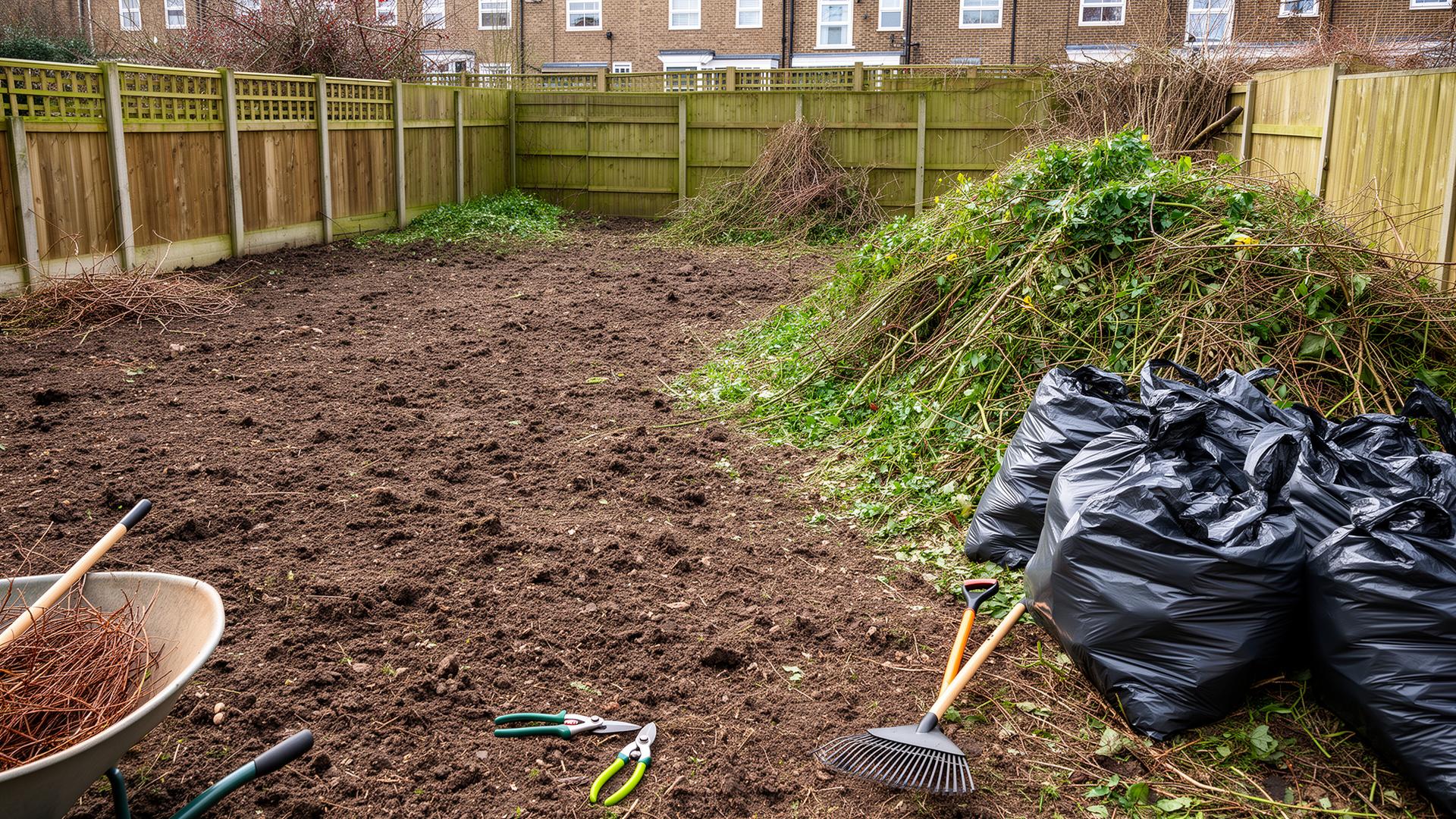
Cleared and tidied garden after overgrown garden clearance in Bournemouth
Fully insured
Dorset-based
Verified reviews
Qualified team
Waste carrier registered

What we do

Scope of work

Every job is quoted clearly upfront, and delivered to the same standard whether it’s a small rework or a complete rebuild.

  • Initial site survey to identify hazards, boundaries, services and salvageable plants
  • Cut back and removal of all overgrown vegetation, brambles, ivy and weeds
  • Extraction of tree stumps, roots and self-seeded saplings using stump grinders
  • Demolition and removal of unwanted sheds, greenhouses, fencing and structures
  • Excavation and disposal of buried rubble, concrete, metal and historic waste
  • Separation of green waste for composting and non-recyclable materials for licensed disposal
  • Clearance of gutters, drains and boundaries obscured by growth
  • Rotavation or ground levelling to prepare for turf, planting or landscaping
  • Final rake-over, debris removal and site handover inspection
  • Photographic record of before, during and after stages for your records

How it works

Our process

01

Site Survey & Risk Assessment

We begin every overgrown garden clearance in Bournemouth with a thorough walk-through to map boundaries, locate buried services (water, gas, electric), identify hazardous materials (asbestos, contaminated soil), and note any protected species or trees with preservation orders. We photograph the site from multiple angles, measure access widths for machinery, and discuss with you any plants, structures or features you'd like retained. This survey typically takes 30–45 minutes and informs our method statement, waste segregation plan, and final quote.

02

Vegetation Cutting & Removal

Using Stihl and Husqvarna petrol brush cutters, reciprocating saws and chainsaws, we systematically cut back overgrown brambles, nettles, bindweed, buddleia, ivy and self-seeded sycamore or ash saplings. Growth is cut to ground level in sections, working from the perimeter inward to maintain safe egress. We hand-pull or treat invasive species like Japanese knotweed or Himalayan balsam according to Environment Agency guidelines. Cut material is loaded into bulk bags or directly into a 6- or 8-tonne tipper lorry, segregating green waste from contaminated or non-compostable material. This phase usually takes one to two full days depending on plot size and density.

03

Stump Grinding & Root Extraction

Any tree stumps or large woody roots are ground out using a Toro STX-26 or similar stump grinder, milling the wood to 200–300mm below grade to prevent regrowth and allow replanting or turf laying. We clear the resulting wood chips, backfill voids with topsoil if requested, and treat cut surfaces of invasive species with approved herbicide (glyphosate or triclopyr) where regrowth is a concern. Grinding typically produces 0.5–1.5 cubic metres of chips per mature stump, which we remove or can leave as mulch if preferred.

04

Structure Demolition & Waste Excavation

Unwanted sheds, dilapidated fences, rotten decking, concrete bases and buried rubble are dismantled using reciprocating saws, pry bars, sledgehammers and, where access allows, a mini-excavator (typically a 1.5-tonne Kubota or Takeuchi). Ferrous metal is separated for scrap recycling; treated timber, plastics and non-hazardous rubble go to licensed waste transfer stations. If asbestos or contaminated materials are discovered, we isolate the area, notify you immediately, and arrange licensed removal through our specialist subcontractor. This phase adds one to two days for sites with significant built structures or buried waste.

05

Ground Levelling & Preparation

Once cleared, we rotavate compacted soil to 150mm depth using a petrol rotavator, breaking up clods, incorporating organic matter if supplied, and raking to a fine tilth. We remove stones larger than 50mm, fill depressions with imported topsoil (BS 3882:2015 multipurpose grade), and laser-level or string-line large areas to ensure drainage falls away from buildings at a minimum 1:80 gradient. For clients planning immediate planting or turfing, we can incorporate a pre-turfing fertiliser (10-10-10 NPK) and firm the surface with a roller. This finishing stage takes half to one full day.

06

Waste Disposal & Site Handover

All green waste is transported to a licensed composting facility; non-recyclable waste goes to Canford Recycling Centre or similar Dorset-based transfer station, and we provide waste transfer notes for your records as required by law. We leave the site broom-clean, boundaries cleared, access paths reinstated, and all gates and fences secured. Before handover, we walk you through the finished clearance, discuss next steps (whether that's turfing, planting, hardscaping or simply enjoying the reclaimed space), and provide a written summary of any issues discovered, materials removed, and recommendations for ongoing maintenance or treatment.

In depth

Everything you need to know.

Plain-English answers to the questions homeowners across Bournemouth, Poole and Christchurch ask us most.

What is Garden Clearance?

Garden clearance is a comprehensive service that removes all unwanted vegetation, structures, rubble and waste from overgrown, neglected or inherited outdoor spaces, returning the site to a clean, safe, workable baseline. Unlike routine garden maintenance — mowing, pruning, weeding — clearance is a one-off, heavy-duty intervention suited to plots where years of growth have rendered the garden inaccessible, hazardous or unsightly. The work involves cutting back waist- or head-height brambles, nettles, bindweed and self-seeded trees; digging out roots and stumps; dismantling rotten sheds, fencing and paving; excavating buried rubble, concrete, bricks and historic waste; and removing the resulting material in bulk.

Typically, we're called to clear gardens for new homeowners who've inherited decades of neglect, landlords preparing rental properties between tenants, executors managing probate sales, or homeowners who've experienced illness, bereavement or simply life getting in the way. The physical scale varies: a small terraced garden in Boscombe might yield 2–3 tonnes of material and take one day; a half-acre plot in Canford Cliffs with mature trees, a collapsed greenhouse and years of fly-tipping might fill four 8-tonne grab lorries and require a week with a two-person team and mini-excavator.

Garden clearance differs from tree surgery (which focuses on crown work and fell), garden maintenance (ongoing care), and landscaping (which is design and construction). It's the essential preparatory step before those other services can begin. The equipment involved includes petrol brush cutters (Stihl FS 450, Husqvarna 545FX), chainsaws, stump grinders, hand tools (mattocks, forks, rakes), sometimes a mini-excavator for bulk excavation or stump extraction, and tippers or grab lorries for waste. Because of the physical risk — buried glass, unstable structures, vermin, asbestos, invasive species — and the legal requirement to dispose of waste correctly, professional clearance is strongly advised over DIY for all but the lightest jobs.

How We Carry Out Garden Clearance

Our method begins with a detailed site survey, walking the boundary to identify what's yours, where utilities run (water mains, gas, buried electric cables, soakaways, septic tanks), and noting any hazards: asbestos sheeting in old sheds, wasp nests, rat burrows, Japanese knotweed, or trees subject to preservation orders. We photograph the site comprehensively, agree with you which plants or features (a mature rose, a sound fence panel, a stone birdbath) should be retained, and measure access points to confirm machinery can enter. This intelligence shapes our risk assessment, waste segregation strategy, and work sequence. If Japanese knotweed or giant hogweed is present, we follow Environment Agency protocol, treating and monitoring rather than digging to avoid spreading rhizomes.

Clearance itself proceeds systematically: we start at the far boundary and work toward the access point, cutting vegetation to ground level in manageable sections. Petrol brush cutters with metal tri-blade heads handle bramble and saplings up to 50mm diameter; chainsaws (Stihl MS 261 or similar) tackle larger self-seeded sycamore, ash or buddleia. We hand-pull bindweed and ground elder roots where possible, rotavate compacted soil to expose buried waste, and use a stump grinder to remove stumps flush or 200–300mm below grade depending on your replanting plans. Structures are dismantled carefully: we salvage reusable materials (sound timber, metal gates, paving slabs you might reuse elsewhere), separate ferrous and non-ferrous metals for scrap, and load rubble, plastic, treated timber and contaminated waste into dedicated bulk bags for licensed disposal. Green waste — leaves, soft stems, untreated wood under 100mm — goes separately for composting.

Throughout, we protect what matters: we lay plywood walkways to avoid compacting planting beds you're keeping, trim overhanging growth back to the boundary without trespassing, cap or flag any drains or inspection chambers we uncover, and keep gates secured if you have pets. Once cleared, we rake the site, remove stones and debris, rotavate if you're planning turf or borders, and leave the plot level, clean and ready for the next phase. We remove all waste the same day where possible — green waste to a licensed composting facility (Admiralty Park Recycling Centre or Parley), mixed waste to a Dorset transfer station — and provide waste transfer notes and photographs for your records. The final walkthrough covers what we found (any surprises: buried oil tanks, hidden boundaries, useful topsoil), what we removed (tonnage, type), and recommendations for drainage, soil improvement or treatment if invasive species were present.

Benefits of Professional Garden Clearance

The immediate, visible benefit is transformation: an impenetrable thicket becomes a usable outdoor space in one to three days, depending on scale. You regain safe access to sheds, bins, boundaries and back doors; hidden hazards — broken glass, nests, unstable fencing, concealed pits — are identified and removed; and you have a clean canvas for turfing, planting, patio installation or simply enjoying the garden again. Professional overgrown garden clearance in Bournemouth also eliminates pest harbourage (rats, wasps, foxes are drawn to dense cover and accumulated waste), reduces fire risk in dry summers, and removes the legal liability of dangerous structures or fly-tipped waste on your land.

Longer-term, proper clearance protects your property's value and fabric. Ivy left unchecked damages pointing, gutters and roof tiles; tree roots encroaching within 10 metres of buildings can affect foundations and drains, especially on Bournemouth's sandy, free-draining soils; and Japanese knotweed can render a property unmortgageable if not professionally managed. By grinding stumps below grade and treating regrowth, we prevent suckers reappearing through new turf or paving. By segregating and legally disposing of waste (our Environment Agency waste carrier licence is WCB/D71829 — always check your contractor has one), you avoid prosecution: householders are liable for waste illegally dumped, even if you paid someone else to remove it.

Finally, you save time, injury risk and money versus DIY. A typical overgrown quarter-acre garden might take one person 15–20 full weekends to clear by hand — that's four months of backache, blisters, and multiple tip runs in an undersized van. Hiring a van, buying or renting tools (brush cutter £80/day, stump grinder £120/day, protective gear £100+), and paying landfill gate fees (green waste £8–12 per bulk bag, mixed waste £15–25) adds up fast; when you factor in the cost of your own time and the risk of injury (A&E sees dozens of DIY chainsaw and strimmer injuries each year), professional clearance at £600–£2,500 for a typical BCP domestic plot represents genuine value and peace of mind.

Best Time of Year for Garden Clearance

Garden clearance can be carried out year-round in the UK, but timing affects ease, cost and ecological responsibility. Late autumn through early spring (November to March) is ideal: deciduous growth has died back, making it easier to see what you're dealing with; ground is often firmer after summer, allowing machinery access without churning lawns; and you're outside bird nesting season (March to August), so there's no risk of disturbing active nests, which is a criminal offence under the Wildlife and Countryside Act 1981. Brambles, nettles and bindweed are dormant, roots are easier to extract, and there's less pollen and biting insects to contend with. Winter clearance also means your garden is ready to plant or turf as soon as temperatures lift in March and April, giving new plants a full growing season to establish.

That said, summer and early autumn clearance is sometimes unavoidable — probate sales, urgent pest control, preparing for imminent landscaping work — and we adapt our method accordingly. We check every shrub, hedge and dense climber for nests before cutting; if found, we work around them or delay until fledging is complete (typically 2–3 weeks). Summer growth is heavier and greener, so waste volumes are higher and material takes longer to compost, sometimes adding 10–20% to disposal costs. Ground can be softer after wet spells, so we use trackway mats to protect lawns if bringing in machinery. Bournemouth's coastal climate is relatively mild — hard frosts are rare, and snow seldom stops work — meaning we maintain year-round availability, with winter typically our busiest season for clearance as homeowners prepare for spring projects.

Garden Clearance in Bournemouth, Poole & Christchurch

Overgrown garden clearance in Bournemouth, Poole and Christchurch presents specific local considerations. Coastal exposure brings salt-laden winds that encourage rapid, dense growth of tolerant species like escallonia, tamarisk, buddleia and bramble, meaning gardens left untended for even two to three years can become genuinely impenetrable. Dorset's free-draining sandy and gravelly soils — particularly in areas like Sandbanks, Branksome, Highcliffe and Mudeford — mean tree roots spread wide and shallow, often encroaching under patios, drives and boundary walls, requiring careful excavation to avoid subsidence or drainage issues. Christchurch and Poole Harbour fringes sometimes feature protected habitats (SSSIs, SINCs), and we'll flag any rare species or habitats we encounter, liaising with Dorset Council's ecology team if necessary.

Access can be challenging in BCP's older terraced areas — narrow side alleys in Boscombe, Southbourne and Parkstone often restrict machinery to pedestrian-width equipment, meaning we rely on brush cutters, hand tools and muck-away in builders' bags rather than grab lorries. Parking restrictions and permit zones in central Bournemouth, Westbourne and parts of Poole mean we coordinate closely with you on timing and vehicle placement. Finally, the region's popularity with second-home owners and rental landlords means we often manage clearances remotely, providing detailed photo updates and secure key-holding, ensuring inherited or long-vacant properties are made safe and presentable without the owner needing to attend site.

Why Choose Jackson's Gardening & Landscaping

Jackson's Gardening & Landscaping brings over 15 years' experience in soft landscaping and garden restoration across Bournemouth, Poole, Christchurch and coastal Dorset. We hold full public liability insurance (£5 million), Environment Agency waste carrier registration, and NPTC certification in chainsaw operation and stump grinding, meaning every clearance is completed safely, legally and to professional standards. Our teams are trained in identifying invasive species, protected habitats and hazardous materials, and we work closely with Dorset Council's planning and ecology departments where tree preservation orders or conservation area constraints apply. We own our equipment outright — no subcontracted machinery or last-minute hire delays — and we invest in quality: Stihl professional-grade tools, Toro stump grinders, and Kubota mini-excavators maintained to manufacturer service schedules.

We're known locally for meticulous finishing: sites are left broom-clean, not just roughly cleared, and we provide a full photographic record, waste transfer notes, and a written summary of any issues found (Japanese knotweed, asbestos, boundary disputes, drainage concerns) so you can make informed decisions about next steps. Every clearance includes a free 30-minute consultation to discuss replanting, turfing, landscaping or ongoing maintenance options — we're not a house-clearance firm dabbling in gardens; we're landscapers who understand soil, drainage, plant health and how to prepare your plot for long-term success. All work is guaranteed, waste is disposed of legally, and we're always available for follow-up advice or seasonal top-ups if regrowth appears.

Investment

Honest quotes. No surprises.

Garden clearance costs for a typical BCP domestic property range from £600 to £2,500 depending on plot size, vegetation density, waste volume, access and machinery requirements; smaller terraced gardens often fall toward the lower end, while half-acre plots with structures, stumps and heavy waste approach the upper range. Every project begins with a free, no-obligation site visit where we assess the work, provide a fully itemised written quote, and discuss timing, waste disposal and any preparatory steps you can take to reduce costs.

FAQs

Common questions.

How much does garden clearance cost in Bournemouth?+

For a typical domestic garden in Bournemouth, Poole or Christchurch, expect to pay between £600 and £2,500 for complete clearance, waste removal and site finishing. Small terraced gardens (up to 50m²) with light-to-moderate overgrowth usually cost £600–£1,000; medium gardens (50–200m²) with brambles, small trees and some rubble run £1,200–£1,800; larger plots (200m²+) with mature stumps, structures to dismantle, and heavy waste can reach £2,000–£3,000 or more. Costs include labour, all equipment (brush cutters, stump grinder, excavator if needed), waste disposal at licensed facilities, and site finishing. We provide fully itemised quotes after a free site visit, with no hidden fees — what we quote is what you pay.

How long does a garden clearance take?+

Most domestic garden clearances in the BCP area are completed in one to three days. A small, accessible terraced garden with moderate overgrowth typically takes one full day with a two-person team. Medium-sized gardens (100–200m²) with brambles, self-seeded saplings, and a shed or two to remove usually require two days. Larger or heavily overgrown plots — half an acre or more, multiple mature stumps, significant rubble, poor access — can take three to five days, especially if weather interrupts or we discover unexpected buried waste. We'll give you a realistic timeframe in our quote and keep you updated if any surprises arise that might extend the schedule.

Can you remove Japanese knotweed or other invasive species?+

Yes, we're trained and experienced in managing Japanese knotweed, giant hogweed, Himalayan balsam and other invasive non-native species in line with Environment Agency guidelines and the Wildlife and Countryside Act. For Japanese knotweed, we do not excavate (which spreads rhizomes and creates controlled waste requiring expensive licensed disposal); instead, we cut and treat with professional-strength glyphosate on a carefully managed programme over two to three growing seasons, monitoring regrowth and re-treating as necessary. We provide a written management plan, photographic records, and can liaise with your mortgage lender or solicitor if you're buying or selling. Treatment costs vary but typically start around £400–£600 for initial assessment, cutting and first herbicide application, with follow-up visits charged separately.

What happens to the waste you remove?+

All waste is transported and disposed of legally at licensed facilities, and we provide waste transfer notes as required by law. Green waste — prunings, soft vegetation, leaves, untreated wood — goes to a registered composting facility such as Admiralty Park in Christchurch or Parley Recycling Centre, where it's composted and returned to agricultural or horticultural use. Mixed waste — rubble, plastic, treated timber, metal — is sorted and taken to a Dorset waste transfer station where materials are separated for recycling (metal, hardcore) or disposed of responsibly. Hazardous waste (asbestos, contaminated soil, chemicals) is handled by our licensed specialist subcontractor. We hold Environment Agency waste carrier registration and never fly-tip or use unlicensed operators — your legal protection and environmental responsibility are paramount.

Do I need to be present during the clearance?+

You don't need to be present throughout, but we do recommend being available for the initial site meeting so we can agree on what to retain or remove, identify any sentimental or valuable plants or items, and answer any access or boundary questions. Once work begins, many clients provide key or gate access and let us get on with it, especially if they're at work or managing the project remotely. We send progress photos by text or email at key stages, and we always do a final walk-through with you (or via video call if you're not local) before we leave, ensuring you're happy with the result and understand any recommendations or findings. For rental or probate properties, we're experienced in working with estate agents, solicitors or executors who may never visit the site in person.

Will clearance damage my lawn, patio or boundaries?+

We take active steps to protect existing features you want to keep. We lay plywood walkways or trackway mats if bringing machinery over lawns or paving; we trim growth back to your boundary line, never over it, avoiding trespass or neighbour disputes; we cap or mark drains, manholes and inspection chambers as we expose them; and we hand-dig around buried services, walls or established plants you've asked us to save. That said, if a lawn has been smothered under brambles for years, it's often already dead, and heavy machinery on wet ground will leave ruts — we'll discuss this honestly during the site visit and advise on turf replacement or repair as part of the quote. Boundaries, patios and paths hidden under growth are sometimes cracked or subsided already; we'll flag damage we find, but we can't be held responsible for pre-existing defects concealed by overgrowth.

Can you clear the garden and then lay turf or do planting straight after?+

Absolutely — in fact, that's one of the most common sequences. Once clearance is complete and the ground is prepared (rotavated, levelled, stones removed, topsoil added if needed), we can move straight into turfing, seeding or planting borders. Combining services is often more cost-effective because mobilisation, waste disposal and ground prep are already done. If you're planning turf, we'll incorporate pre-turfing fertiliser, fine-rake and firm the surface to British Standards, then lay fresh-cut turf within a day or two while the soil is still workable. For planting schemes, we'll discuss soil conditioning (adding compost, adjusting pH, improving drainage) and source plants suited to Bournemouth's coastal, free-draining conditions. We provide separate itemised quotes for clearance and follow-on work so you can see exactly what each phase costs.

What are the most common mistakes people make with DIY garden clearance?+

The biggest mistake is underestimating the sheer volume of waste — a medium-sized overgrown garden can generate 4–6 tonnes of material, far exceeding a car or van's capacity, leading to endless tip runs and permit costs at household waste recycling centres. Second is injuring themselves: chainsaw and strimmer accidents, back strain from lifting, and slips or falls on uneven ground send many DIYers to A&E each year. Third is damaging hidden services — buried electric cables, water mains, gas pipes, drains — because they don't survey or hand-dig cautiously. Fourth is illegal waste disposal: hiring a 'man with a van' who fly-tips, leaving the householder legally liable and facing fines up to £50,000. Fifth is spreading invasive species like Japanese knotweed by digging and moving contaminated soil. Professional clearance avoids all these pitfalls with proper equipment, insurance, site surveys, waste carrier licences and trained, experienced teams.

Is garden clearance worth it if I'm planning to sell the property?+

Absolutely — kerb appeal and garden presentation have a measurable impact on sale price and time on market. Estate agents consistently report that overgrown, neglected gardens reduce offers by 5–10% and deter viewings altogether; buyers either discount heavily to factor in clearance costs and hassle, or simply move on to the next property. Investing £1,000–£2,000 in professional clearance can add £5,000–£15,000 to your sale price in the Bournemouth market, and properties sell weeks faster. Even if you don't turf or replant, a cleared, level, clean garden signals to buyers that the property has been cared for, reduces surveyor concerns about structural damage from tree roots or invasive species, and makes the plot's potential visible. For probate or rental turnarounds, clearance is often the single most cost-effective improvement you can make.

Let’s talk about your garden.

Tell us what you’re thinking — we’ll come out, take a proper look and put together a clear, no-obligation quote.

WhatsApp us on 07879 168829