
Jackson's Gardening & Landscaping

Regular & one-off care

Expert Garden Maintenance in Bournemouth & Poole

Garden maintenance is the ongoing care and upkeep of your outdoor space throughout the seasons—mowing lawns, pruning shrubs, weeding borders, feeding soil, and keeping hedges, beds and pathways in peak condition. For homeowners across Bournemouth, Poole and Christchurch, regular professional maintenance protects your landscape investment, prevents problems before they take hold, and ensures your garden remains a source of pride and enjoyment rather than a weekend burden.

Fully insured Bournemouth · Poole · Christchurch Free site visits
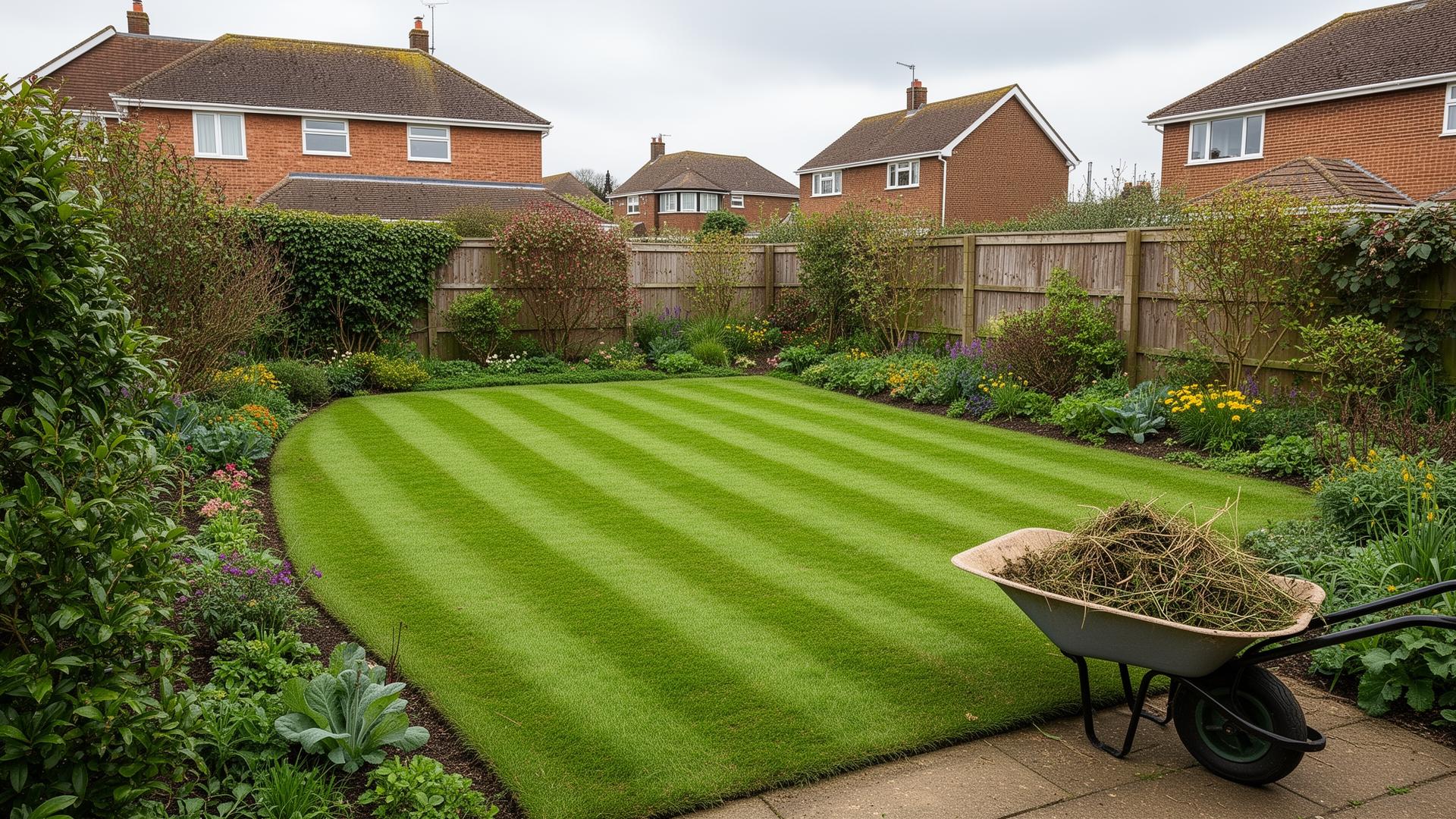
Well-kept Bournemouth garden after regular maintenance visit
Fully insured
Dorset-based
Verified reviews
Qualified team
Waste carrier registered

What we do

Scope of work

Every job is quoted clearly upfront, and delivered to the same standard whether it’s a small rework or a complete rebuild.

  • Lawn mowing to optimal height for grass species and season
  • Edging lawns and borders for clean, defined lines
  • Weeding beds, borders and pathways by hand or targeted treatment
  • Pruning shrubs, roses and climbers to promote growth and flowering
  • Hedge trimming to shape and density requirements
  • Seasonal feeding and mulching of beds and borders
  • Deadheading spent blooms to encourage repeat flowering
  • Leaf and debris clearance from lawns, paths and drains
  • General tidying, waste removal and green waste disposal
  • Plant health checks and early pest or disease identification

How it works

Our process

01

Site Survey & Maintenance Plan

We begin every new client relationship with a thorough site visit, walking the garden with you to understand your priorities, identify plant species, note soil conditions, and spot any existing issues—compacted lawns, overgrown shrubs, drainage concerns. We measure lawn areas, count hedges and assess access for equipment. From this we create a tailored maintenance schedule, recommending visit frequency (weekly, fortnightly, monthly or seasonal) and outlining tasks for each visit. You receive a written plan and annual quote, broken down by visit, so there are no surprises.

02

Lawn Care & Edging

Each visit includes mowing to the correct height for the season—typically 25-40mm in summer, slightly higher during drought, and a final cut at 50mm before winter. We use commercial Hayter or Honda rotary mowers with sharp blades, adjusting cutting height based on grass species and weather. After mowing, we edge lawns with a half-moon edging iron or powered trimmer, creating crisp borders that prevent grass creep. Clippings are either collected for composting or left as mulch during dry spells to retain moisture. We check for moss, thatch, bare patches or weed ingress, advising on scarification, aeration or overseeding if needed.

03

Weeding, Pruning & Border Care

Borders and beds are hand-weeded using a Dutch hoe for surface annuals and a hand fork for deep-rooted perennials like dandelion, dock and bindweed. We avoid chemical weedkillers in planted areas unless specifically requested, preferring mechanical removal to protect soil biology. Shrubs, roses and climbers are pruned according to species and season—spring-flowering shrubs after bloom, summer-flowering varieties in late winter, roses in February or March. We use bypass secateurs and loppers sterilised between plants, making clean cuts above outward-facing buds to encourage open, healthy growth.

04

Hedge Trimming & Shaping

Hedges are trimmed using petrol or battery-powered hedge cutters (Stihl or Makita), cutting to maintain or restore the desired shape and density. Formal hedges like box, yew or privet are trimmed two to three times per year; informal flowering hedges like hawthorn or escallonia are cut once after flowering. We check for nesting birds before any work between March and August, as required by the Wildlife and Countryside Act 1981. Cuttings are collected, composted where suitable, or taken for green waste recycling. We finish by raking debris from beds and lawns to prevent smothering.

05

Feeding, Mulching & Soil Care

In spring and autumn, we apply controlled-release granular fertilisers (e.g. Growmore at 70g/m² or blood, fish and bone at 100g/m²) to beds and borders, forking lightly into the surface to avoid root damage. We top up mulch layers to 50-75mm using composted bark, well-rotted manure or leaf mould, leaving a clear ring around plant stems to prevent rot. Mulch suppresses weeds, retains moisture and slowly improves soil structure—critical in Dorset's free-draining sandy soils. We also add compost or organic matter to heavy clay patches, improving aeration and drainage over time.

06

Clearance, Waste Removal & Final Checks

Every visit concludes with a thorough tidy: sweeping paths, clearing gutters and drains of leaves, removing fallen branches, and collecting all green waste into rubble sacks or our van. We hold a registered waste carrier licence, ensuring all garden waste is disposed of legally at licensed facilities or composted on-site where space permits. Before leaving, we walk the garden with you (or send photos if you're out), noting any concerns—pest damage, nutrient deficiencies, storm damage—and recommend follow-up treatments or seasonal jobs like scarification, turfing or replanting.

In depth

Everything you need to know.

Plain-English answers to the questions homeowners across Bournemouth, Poole and Christchurch ask us most.

What is Garden Maintenance?

Garden maintenance is the regular, scheduled care of all the living and hard landscape elements in your outdoor space. It encompasses routine tasks—mowing lawns, trimming hedges, weeding beds, pruning shrubs, deadheading flowers—as well as seasonal jobs like feeding, mulching, leaf clearance and plant health monitoring. The goal is to keep your garden attractive, healthy and under control throughout the year, preventing the buildup of problems that lead to costly renovations or plant loss.

Maintenance programmes vary widely depending on garden size, complexity and client preference. A small town garden with a lawn, a few shrubs and perennial borders might need a monthly visit during spring and summer, dropping to quarterly checks in autumn and winter. A larger property with mixed hedging, rose beds, specimen trees and vegetable plots may require fortnightly or even weekly attention during the growing season. Commercial properties, estates and holiday lets often contract year-round schedules to ensure consistent kerb appeal.

Garden maintenance differs from one-off landscaping projects (which reshape or install new features) and specialist services like tree surgery, pest control or irrigation installation. It's preventative rather than remedial: regular attention keeps plants vigorous, lawns dense, and weeds at bay, so you avoid the expense and disruption of major overhauls. Equipment used ranges from hand tools—secateurs, hoes, forks, rakes—to powered machinery including cylinder or rotary mowers, hedge trimmers, strimmers and blowers, all selected and operated to professional standards for safety and finish.

How We Carry Out Garden Maintenance

Our garden maintenance Bournemouth service begins with a detailed site assessment. We walk the property with you, noting plant species, lawn condition, hedge heights, access points, and any problem areas—poor drainage, bare soil, invasive weeds, overgrown shrubs. We discuss your priorities: perhaps you value a pristine lawn but are happy with a naturalistic border, or you want year-round colour but minimal chemical use. From this we design a maintenance schedule tailored to your garden's needs and your budget, specifying visit frequency and tasks.

On each visit, we arrive with all necessary tools and equipment: commercial-grade mowers (typically Honda or Hayter rotaries for fine finish), petrol or battery hedge trimmers (Stihl or Makita), hand tools kept sharp and clean, fertilisers, mulch and waste sacks. We begin with a walk-around, checking for storm damage, pest activity or new growth. Lawns are mowed at the correct height for the season and grass type, clippings collected or recycled as mulch. Edges are cut with a half-moon edger or strimmer, creating defined borders. Beds are hand-weeded, avoiding root disturbance to desirable plants, and litter or debris removed. Hedges are trimmed to shape, with cuts made cleanly to avoid dieback. Shrubs and roses are pruned according to species—spring bloomers after flowering, summer bloomers in late winter—using bypass secateurs sterilised between cuts to prevent disease spread.

Seasonal tasks are integrated into the programme: applying controlled-release fertiliser and topdressing lawns in spring; mulching borders with composted bark or manure in April and October; deadheading roses and perennials through summer to prolong flowering; clearing fallen leaves in autumn to prevent lawn smothering and drain blockages; cutting back herbaceous perennials after the first frosts. We protect surrounding areas during work—laying tarpaulins under hedges to catch clippings, edging carefully around paving to avoid damage, and keeping pets and children clear of machinery. All green waste is bagged and removed (we hold a waste carrier licence), or composted on-site if you have a bay. We finish each visit with a quick visual check and, if you're present, a walkthrough to highlight any concerns or recommendations.

Benefits of Professional Garden Maintenance

The most immediate benefit is a consistently beautiful garden. Regular mowing, weeding and pruning keep your outdoor space looking cared-for every day, boosting kerb appeal and creating an inviting environment for family and guests. Professional maintenance also promotes plant health: correct pruning encourages flowering and fruiting, timely feeding supports vigorous growth, and early detection of pests or disease prevents spread. A well-maintained lawn—mown at the right height, free of moss and thatch, and fed appropriately—will be denser, greener and more resilient to drought and wear than one left to chance.

Beyond aesthetics, regular maintenance protects your landscape investment. Overgrown hedges become woody and sparse, requiring costly replacement; neglected borders fill with perennial weeds that take years to eradicate; lawns left uncut develop thatch that stifles grass and harbours disease. By keeping on top of these tasks, you avoid expensive remedial work. Studies by the Royal Horticultural Society suggest that well-maintained gardens can add 5-15% to property value, and recover their maintenance costs many times over at resale. Regular care also extends the lifespan of hard landscaping: clearing drains prevents water pooling that damages paving; trimming plants back from fences and walls prevents rot and moisture ingress.

Finally, professional maintenance saves you time, effort and risk. A typical monthly garden visit takes our team 2-4 hours; the same tasks might occupy an entire weekend for a homeowner unfamiliar with the tools or techniques, and the results are often less polished. You avoid the cost and storage of commercial equipment, the risk of injury from powered machinery, and the trial-and-error of learning when and how to prune each species. Our insurance covers accidental damage, and our waste carrier licence ensures legal, responsible disposal. You're free to enjoy your garden rather than labour in it.

Best Time of Year for Garden Maintenance

Garden maintenance is a year-round discipline, but the nature and frequency of tasks shift with the seasons. Spring (March to May) is the busiest period: lawns resume growth and require weekly or fortnightly mowing; borders need weeding as annuals germinate; hedges put on rapid growth and benefit from an initial trim; and feeding and mulching deliver maximum benefit as plants emerge from dormancy. In Bournemouth and Poole, coastal temperatures are often a degree or two warmer than inland Dorset, meaning growth starts earlier—sometimes late February in a mild year. We schedule visits accordingly, increasing frequency as day length and soil temperature rise.

Summer (June to August) maintenance focuses on controlling growth and conserving moisture. Lawns may need mowing weekly during wet spells, or every 10-14 days during drought (cutting less frequently and slightly higher reduces stress). Deadheading roses, perennials and annuals encourages repeat flowering. Hedge trimming continues, particularly for fast growers like privet and laurel. Weeding is easier when soil is moist, but borders dry out quickly in sandy Dorset soils, so mulch is critical. Autumn (September to November) is a second peak: leaf clearance prevents lawn smothering, herbaceous perennials are cut back after frost, and a final mulch application insulates roots and feeds soil biology over winter. Winter (December to February) is quieter but not idle: we prune dormant roses and deciduous shrubs, carry out structural work without disturbing nesting birds, and clear storm debris. Lawns need little or no mowing, but edges and paths still benefit from tidying to maintain appearance.

Garden Maintenance in Bournemouth, Poole & Christchurch

Coastal Dorset presents unique conditions that shape our approach to garden maintenance Bournemouth properties. Salt-laden winds from the English Channel can scorch tender foliage and stunt growth, so we favour hardy, wind-tolerant species—tamarisk, sea buckthorn, escallonia, pittosporum—and prune coastal hedges to dense, rounded shapes that shed wind rather than resist it. Poole Harbour's sheltered microclimate allows slightly more tender planting, while exposed clifftop gardens in Boscombe or Southbourne demand robust, low-maintenance schemes.

Dorset's predominantly sandy, free-draining soils are a blessing for drainage but a challenge for moisture retention and fertility. We compensate with generous organic matter—well-rotted manure, compost, leaf mould—applied as mulch and dug in during border refreshes. Regular feeding is essential; sandy soils leach nutrients quickly, especially after winter rains. In Christchurch and the Stour Valley, pockets of heavier clay exist, requiring different management: less frequent watering, improved drainage with grit or compost, and careful timing of cultivation to avoid compaction. We also navigate BCP urban considerations—narrow driveways, permit parking zones, proximity to neighbours—bringing compact equipment where access is tight and scheduling noisy tasks like hedge trimming to weekday daytimes, respecting local courtesy.

Why Choose Jackson's Gardening & Landscaping

Jackson's Gardening & Landscaping has served Bournemouth, Poole and Christchurch for over a decade, building a reputation for reliable, high-quality garden care rooted in deep local knowledge. Our team holds RHS qualifications and NPTC certification in the safe use of pesticides and powered machinery. We carry full public liability insurance (£5 million) and employer's liability cover, and we're registered waste carriers with the Environment Agency, ensuring every visit meets legal and environmental standards. Our equipment is commercial-grade, regularly serviced, and chosen for performance and low emissions—we've transitioned much of our kit to battery power to reduce noise and pollution in residential settings.

We pride ourselves on consistency and communication. You'll work with the same crew each visit, who come to know your garden intimately—its quirks, your preferences, seasonal challenges. We provide written maintenance schedules and visit reports, photographing significant issues or achievements so you're always informed. If we spot a problem—pest infestation, nutrient deficiency, drainage issue—we'll explain it clearly and offer solutions, never upselling unnecessary work. Our pricing is transparent, with fixed visit rates or annual contracts that reward loyalty. We guarantee our workmanship: if you're not satisfied with any aspect of a visit, we'll return and put it right at no extra cost.

Investment

Honest quotes. No surprises.

Garden maintenance costs for a typical Bournemouth home (150-250m² garden) typically range from £40-£80 per monthly visit, or £500-£900 for an annual seasonal programme covering 8-12 visits. Every property is different, so we offer a free, no-obligation site visit to assess your garden, discuss your needs, and provide a detailed written quote with no pressure to proceed.

FAQs

Common questions.

How often should I have my garden maintained professionally?+

The ideal frequency depends on garden size, complexity and your standards. Most homeowners in Bournemouth and Poole benefit from monthly visits during the growing season (April to September) and quarterly visits in winter, totaling 9-10 visits per year. Larger gardens with mixed planting, extensive lawns or formal hedges may need fortnightly attention in peak season. Smaller, low-maintenance gardens can thrive on seasonal visits (spring, summer, autumn). We'll assess your property and recommend a schedule that balances garden health with your budget, and you can adjust frequency as seasons or priorities change.

What's included in a typical garden maintenance visit?+

A standard visit includes mowing and edging the lawn, hand-weeding beds and borders, pruning or deadheading as appropriate for the season, trimming hedges if scheduled, clearing leaves and debris from paths and drains, and removing all green waste. We also perform a visual health check, noting any pest, disease or nutrient issues and advising on follow-up treatments. Seasonal tasks like feeding, mulching, scarification or bulb planting are added to specific visits as agreed in your maintenance plan. Each visit is tailored to your garden's needs—there's no one-size-fits-all approach.

Do you use chemicals or pesticides in garden maintenance?+

We strongly prefer organic and mechanical methods—hand weeding, mulching to suppress weeds, companion planting to deter pests, and encouraging natural predators like ladybirds and hedgehogs. However, some situations (severe weed infestations, fungal diseases, pest outbreaks) may warrant targeted chemical treatment for effective control. If we recommend a pesticide, herbicide or fungicide, we'll explain why, name the product, confirm it's approved for amateur use in the UK, and gain your explicit consent before applying. All applicators hold NPTC PA1/PA6 certification, and we follow COSHH regulations, keeping pets and children clear during and after treatment as per product guidelines.

Can you maintain my garden if I have dogs or young children?+

Absolutely. We routinely work in family gardens and take several precautions: we schedule visits at times convenient for you, keep machinery and tools secured when not in use, avoid chemical treatments unless you specifically request them (and then only with safe re-entry intervals clearly explained), and ensure gates are closed securely before and after our visit. We're happy to work around pets—many of our clients' dogs supervise us enthusiastically! If your dog is reactive or anxious, just let us know and we'll coordinate timing so they're indoors or in another part of the garden. Safety is paramount; we never leave hazards unattended.

What happens to the garden waste you collect?+

All green waste—grass clippings, prunings, weeds, leaves—is removed from site and taken to a licensed green waste recycling facility, where it's composted commercially and returned to the soil cycle. We hold a valid Environment Agency waste carrier licence (mandatory for anyone transporting garden waste professionally) and provide transfer notes on request. If you have space and inclination, we can also help you set up an on-site compost system and leave suitable material (untreated prunings, grass clippings, leaves) for you to compost yourself, reducing waste and creating free soil improver.

Will the same team visit my garden each time?+

Yes. Continuity is central to effective maintenance, so we assign the same two-person crew to your property for every scheduled visit. They'll learn your garden's layout, plant species, trouble spots and your preferences, delivering increasingly refined results over time. If your regular team is unavailable due to holiday or illness, we'll brief a substitute thoroughly and introduce them on their first visit. You'll have a direct contact number for your crew leader, making communication fast and personal.

How do I know if I need garden maintenance or a one-off clearance?+

If your garden is overgrown, unmanaged for months or years, or requires heavy cutting back, removal of large volumes of waste, or significant reshaping, you'll benefit from a one-off garden clearance or renovation first. Once brought back under control, regular maintenance keeps it there with far less effort and cost. Maintenance is for gardens already in reasonable condition that simply need ongoing care to stay healthy and attractive. During our free site visit, we'll assess your garden honestly and recommend the right starting point—we'll never sell you maintenance visits if a clearance is what you really need.

Can I pause or adjust my maintenance schedule during the year?+

Certainly. Many clients reduce visit frequency over winter when growth slows, resuming monthly or fortnightly schedules in spring. Others pause altogether during holidays or when budgets are tight, restarting when ready. We're flexible and will tailor your programme to suit changing needs—just give us reasonable notice (ideally two weeks) so we can adjust schedules efficiently. There are no punitive cancellation fees for pausing a rolling maintenance contract, though we do ask for at least 48 hours' notice if you need to reschedule an individual visit to avoid wasted journeys.

Do you offer guarantees on your garden maintenance work?+

We guarantee the quality of every visit: if any task isn't completed to your satisfaction—lawn not mowed evenly, edges scruffy, debris left behind—let us know within 48 hours and we'll return to correct it at no charge. For treatments like weed control or pest management, we can't guarantee nature's cooperation (weather, soil, wildlife all play a role), but we will re-treat or adjust methods if results aren't achieved within reasonable timescales. All our work is covered by public liability insurance, so any accidental damage to property or plants is fully protected.

Let’s talk about your garden.

Tell us what you’re thinking — we’ll come out, take a proper look and put together a clear, no-obligation quote.

WhatsApp us on 07879 168829