How much does garden edging and borders cost in Bournemouth?+
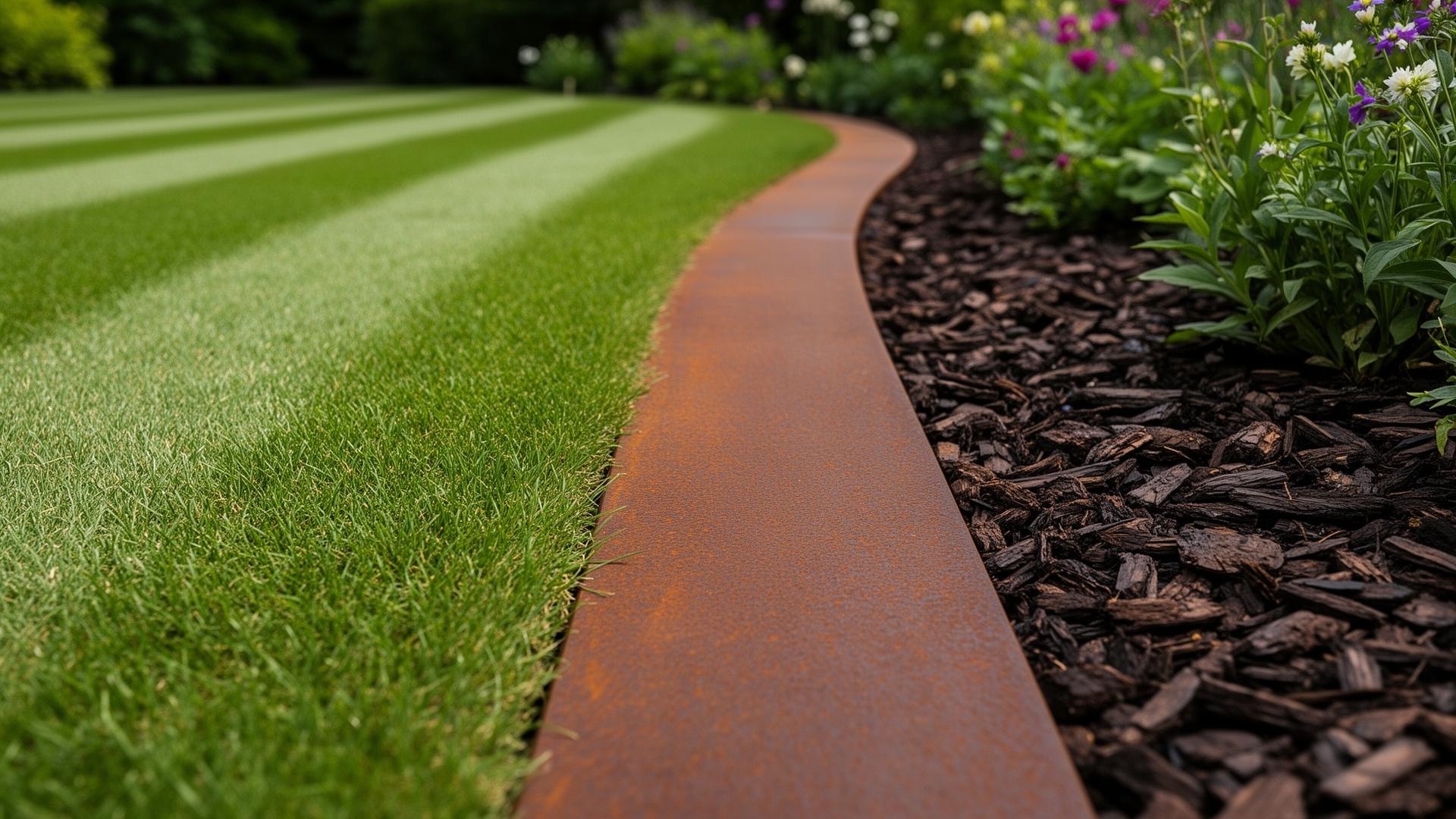
Costs vary significantly by material, linear metreage and ground conditions. As a guide, expect £15-£22 per linear metre for standard pressure-treated timber edging with stakes, £18-£28 per metre for Victorian rope-top clay edging on a concrete haunch, £25-£35 per metre for reclaimed granite or sandstone setts, and £35-£50 per metre for Cor-Ten or powder-coated steel edging with ground anchors. These prices include excavation, sub-base or haunching, materials, installation, backfilling and waste removal. Curved edges, steep slopes or restricted access may add 10-20% to quoted prices. A typical semi-detached Bournemouth garden with 30 metres of edging would cost £500-£1,200 depending on material choice. We provide free site visits and detailed written quotes with no obligation.
How long does garden edging last?+
Longevity depends on material quality and installation method. Pressure-treated softwood edging (tanalised to UC4 standard) typically lasts 10-15 years in Dorset's coastal climate before showing significant rot or loosening; hardwood such as oak can last 20-25 years. Engineering brick, natural stone and concrete edging regularly exceed 25 years with minimal maintenance. Cor-Ten steel develops a protective rust patina and lasts 20-30 years; galvanised or powder-coated aluminium can last 30+ years if fixings are stainless steel. Cheap plastic edging often cracks or fades within 3-5 years. Proper installation—deep trenches, secure fixing, concrete haunching where appropriate—can extend lifespan by 30-50% compared to shallow, inadequately supported DIY installs. We offer a 12-month workmanship guarantee and use only quality materials proven in coastal conditions.
Can I install garden edging myself or should I hire a professional?+
DIY garden edging is feasible for confident, physically able homeowners with the right tools—spade, mattock, spirit level, club hammer, wheelbarrow—and realistic expectations. Small, straight runs (under 10 metres) on level, sandy soil can be completed in a weekend. However, professional installation delivers significant advantages: we excavate to the correct depth for your soil type and material, ensure accurate levels and alignment (especially for curves), provide stable sub-bases or haunching that prevent shifting, and complete the work in a fraction of the time with guaranteed results. Common DIY pitfalls include insufficient depth (leading to frost heave), poor compaction (causing sinking), misaligned curves, and inadequate fixing. For complex projects, clay soils, slopes, or premium materials like stone or steel, professional installation typically costs less than the combined expense of tool hire, wasted materials and time, while avoiding back injury and frustration.
What's the best material for garden edging in coastal Bournemouth?+
Coastal Bournemouth's salt air, sandy soils and exposure demand materials that resist corrosion and movement. Excellent choices include Cor-Ten steel (which forms a stable rust patina and won't corrode through), powder-coated aluminium (lightweight, rot-proof, available in various colours), pressure-treated hardwood (oak, sweet chestnut) for a natural look, and reclaimed granite or engineering brick for traditional aesthetics and 25+ year lifespan. Avoid mild steel without galvanising (rusts rapidly), untreated softwood (rots within 5 years in damp coastal conditions), and thin plastic edging (becomes brittle under UV exposure). For loose sandy soils typical of Poole and Bournemouth, deeper installation (200mm+) and concrete haunching or closely spaced stakes (every 1 metre) provide essential stability. We'll recommend the best option during our free site survey based on your garden's specific conditions.
Do I need planning permission for garden edging?+
Garden edging and borders are almost always considered permitted development and do not require planning permission from BCP Council, as they're below the height threshold (typically under 1 metre) and don't alter the property boundary or create new vehicular access. However, if your property is in a conservation area (parts of Christchurch, Poole Old Town, Bournemouth's Meyrick Park), a listed building, or an Article 4 direction area, there may be design guidance favouring traditional materials over modern metal or plastic. It's also wise to check your property deeds for any restrictive covenants regarding front garden alterations, particularly on newer estates. We're familiar with BCP planning guidelines and can advise during our site visit. If you're installing edging as part of creating a new driveway or removing front garden greenery (which may require permeable surfacing), separate regulations apply and we can guide you through the process.
How do I maintain garden edging once it's installed?+
Maintenance requirements vary by material. Timber edging benefits from re-application of wood preservative (clear or coloured) every 2-3 years to maximise lifespan—use a brush or sprayer on a dry day, avoiding contact with plants. Check fixings annually and tighten or replace any loose screws or stakes. Brick, stone and concrete edging need minimal care—an occasional brush to remove algae or moss using a stiff yard brush, and re-pointing of mortar joints if they crack (rare within the first 10-15 years). Steel and aluminium edging require no treatment; Cor-Ten develops its rust finish naturally within 6-12 months. For all edging types, keep soil and mulch from building up over the top, which encourages rot (timber) or hides the visual line. After heavy rain or prolonged dry spells, check for any settlement and top up backfilled soil as needed—this is most common in the first year. We provide written aftercare instructions with every installation and offer a complimentary inspection after 8-12 weeks.
Will garden edging stop weeds and grass from spreading?+
Yes, properly installed garden edging provides an effective physical barrier that prevents lawn grasses—particularly vigorous species like perennial ryegrass—from spreading into beds via rhizomes and stolons. The key is sufficient depth: edging must extend at least 100-120mm below soil level to block underground runners. Surface barriers like shallow plastic strip are largely cosmetic and won't stop determined grass or perennial weeds such as couch grass, bindweed or ground elder, which can root beneath and emerge on the other side. Our installations excavate deep trenches and, where necessary, incorporate a vertical root barrier membrane (particularly for bamboo or invasive ornamental grasses). While edging dramatically reduces grass encroachment and eliminates the need for repeated strimming or hand-edging, it won't stop airborne weed seeds landing in beds—regular mulching and weeding remain necessary. For clients with persistent weed problems, we can install edging in combination with a weed-suppressing membrane under mulch.
Can you match existing edging or work around established plants?+
Absolutely. We regularly repair, extend or replace sections of existing edging to match surrounding materials—sourcing reclaimed Victorian rope-top tiles, matching brick types, or fabricating custom steel sections to blend seamlessly. If your original edging is no longer available, we'll bring samples of close alternatives for your approval. Working around established plants requires care and experience: we hand-dig within 1.5 metres of tree trunks to avoid root damage, adjust edging lines to accommodate precious shrubs, and schedule work outside sensitive flowering or nesting periods where possible. For mature trees, we may recommend flexible edging materials (such as steel or timber) that can follow gentle curves around root flares, rather than rigid brick or stone that requires cutting roots. During our site visit, we'll assess existing planting, note any protection requirements, and discuss how to achieve your edging goals while safeguarding your garden's established features.
How long does it take to install garden edging?+
Installation time depends on linear metreage, material choice, ground conditions and site access. For a typical suburban Bournemouth garden, 25-30 metres of straightforward lawn-to-bed timber or brick edging on sandy soil takes our two-person team one full day (7-8 hours), including excavation, installation, backfilling and cleanup. More complex projects—curved edges, clay soil requiring extensive sub-base, stone setts needing individual mortar bedding, or restricted access requiring hand-carrying materials—may take 1.5-2 days for the same length. Larger projects (50+ metres, multiple height changes, integration with new patios or paths) are typically completed over 2-4 days. We'll provide a realistic timeframe in your quote and agree start and finish dates in advance. Most edging projects are completed in a single continuous visit to ensure consistency, though we may schedule a return visit 8-12 weeks later for a complimentary settlement inspection and any minor adjustments.